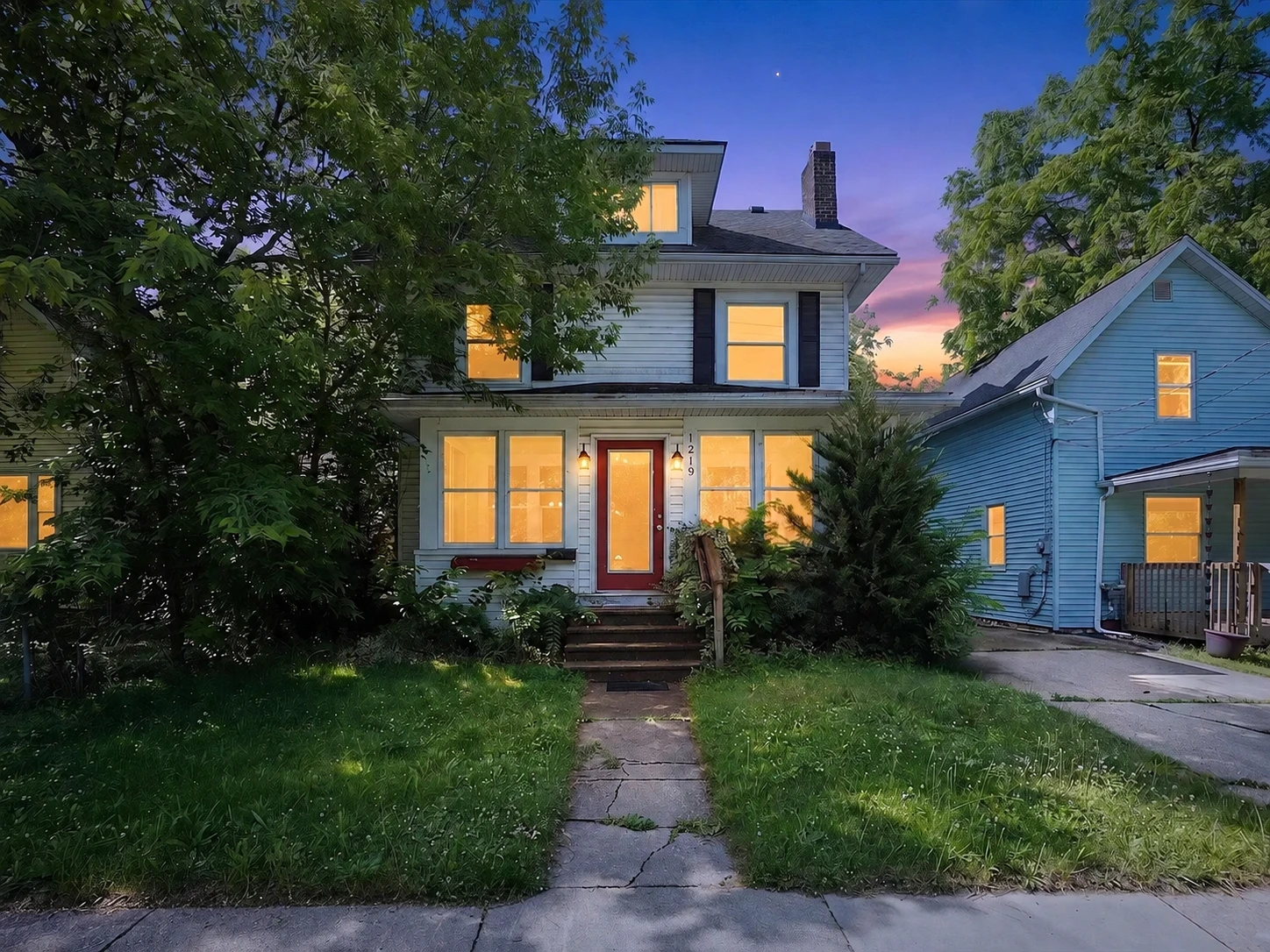
Yes, You Can Sell a House With Water Damage.
A house does not necessarily need to be repaired before it can be sold. The more useful question is what you should do before selling it.
Depending on the damage, your equity, insurance, available cash, and how much uncertainty you want to carry, you may decide to repair the house, list it as-is, or sell directly to an investor.
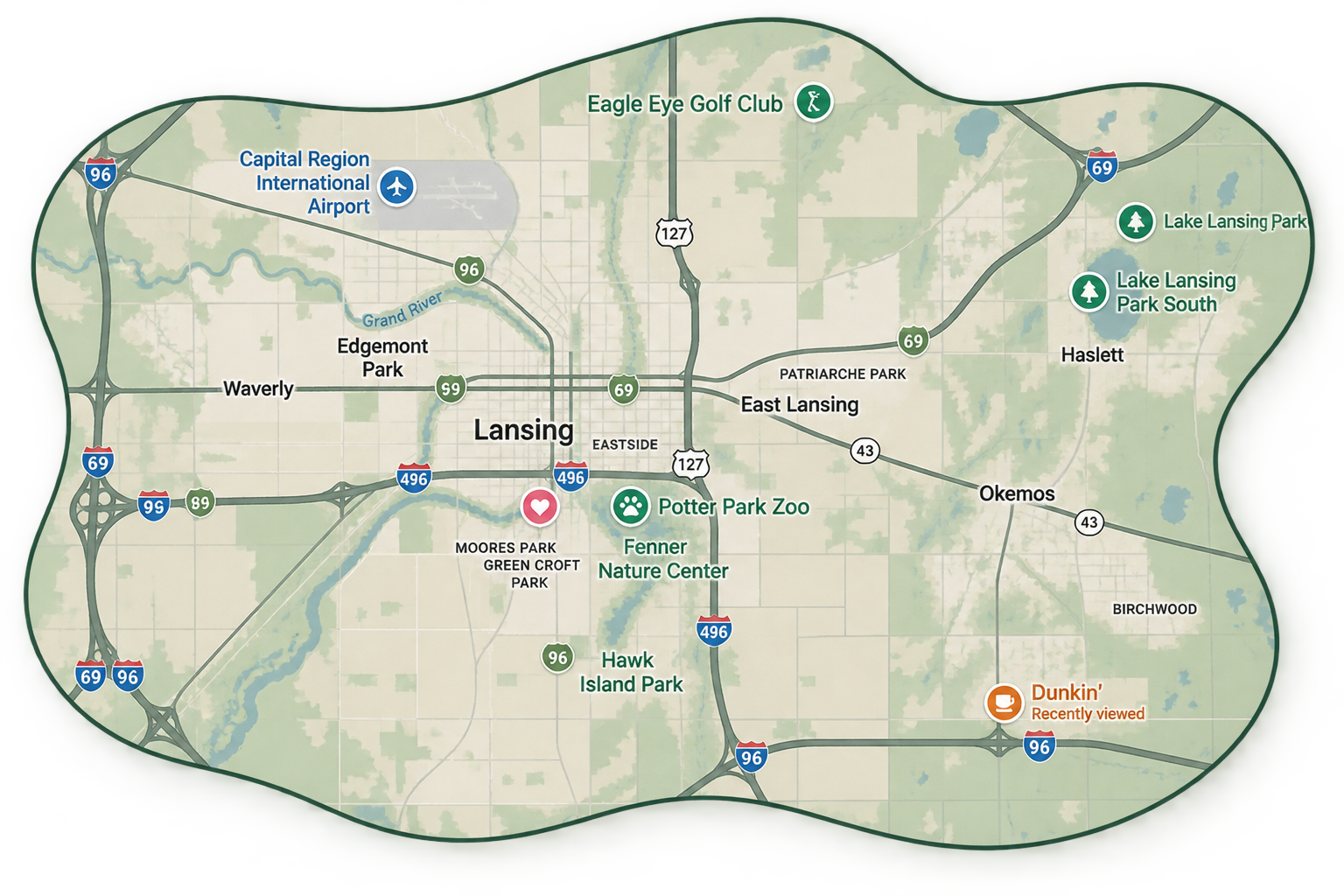
We Buy Lansing evaluates water-damaged houses in Greater Lansing when a direct sale may make sense. We look at the actual property and the work ahead rather than applying a generic “water damage discount.”
You Have a Few Ways to Sell a Water-Damaged House.
Repair the Damage and List the House
Repairing first may produce the highest gross sale price when the scope is clear and the market supports the work. It also requires cash, contractor coordination, time, and a willingness to carry the house while the project is completed. The potential upside needs to be weighed against estimates that can change once walls, floors, or ceilings are opened.
List the House As-Is
An as-is listing exposes the property to the market without requiring you to finish the repairs first. Buyer demand may be narrower, however, and inspections can create new negotiations. Active leaks, incomplete work, mold concerns, or unsafe conditions may also limit which buyers and lenders can move forward.
Sell Directly
A direct investor sale lets you sell the house in its current condition. The investor takes on the repair work and much of the project risk. The tradeoff is usually a lower potential gross price in exchange for less owner work, less uncertainty, and a more direct closing path.
Consider a Structured Purchase
In some situations, seller financing, a land contract, or another direct purchase structure may be worth discussing. These arrangements are situational—not the default—and should only be considered when the terms and risks are clear to everyone involved.
Why Water Damage Can Make a House Harder to Sell
Water damage creates uncertainty. A stain may be visible, but buyers still have to ask what is happening behind the drywall, beneath the flooring, or inside the framing. An active leak can keep expanding the problem, while moisture and mold concerns can make buyers hesitate even after the original source is corrected.
- Repair estimates can change as concealed materials are exposed.
- Inspections may uncover additional moisture or deferred maintenance.
- Lenders and appraisers may have concerns about active damage or incomplete repairs.
- The buyer pool can shrink when a house requires cash or renovation financing.
- Taxes, utilities, insurance, and other ownership costs continue while the seller decides what to do.
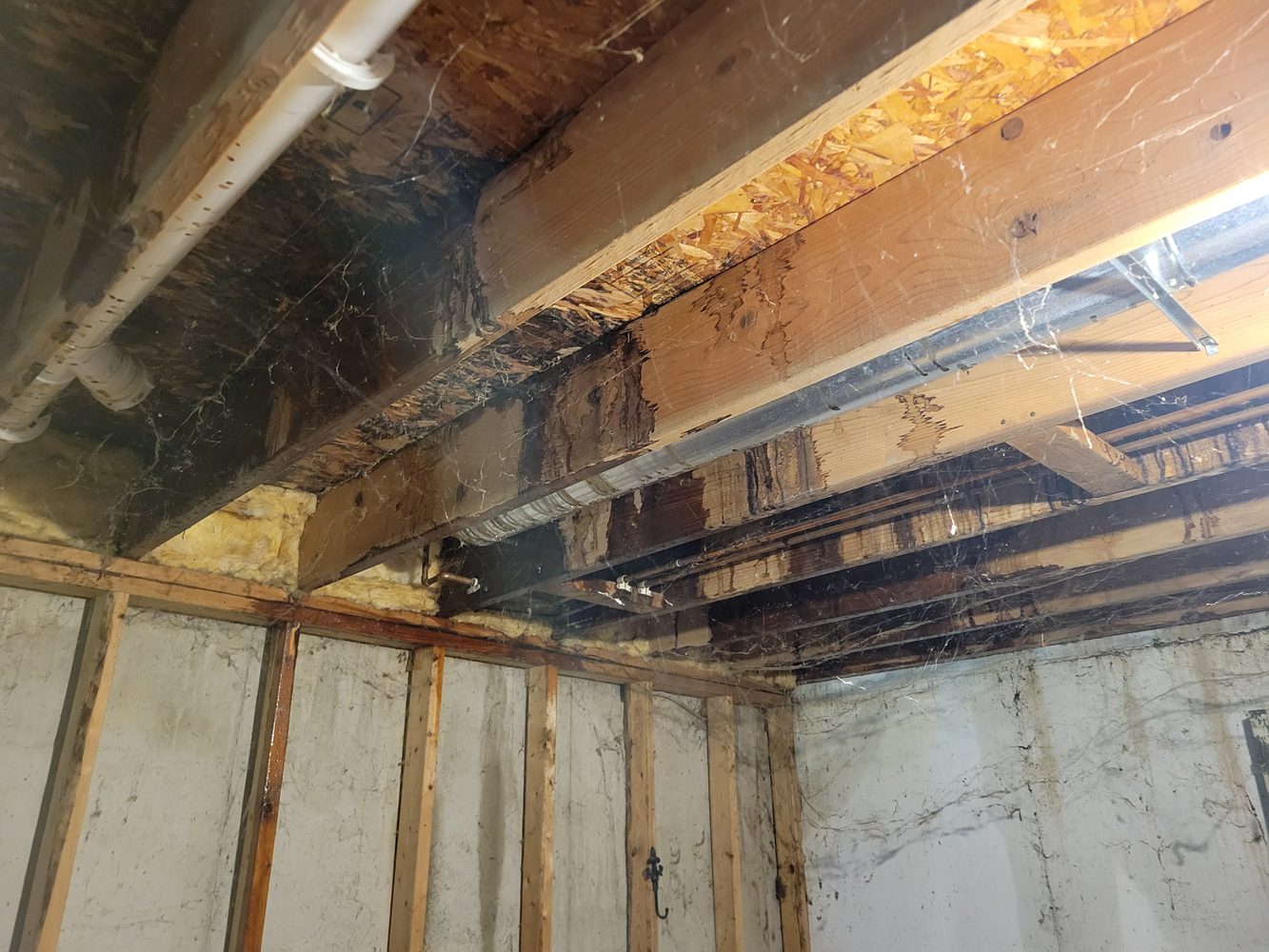
What Kind of Water Damage Are We Talking About?
- Basement flooding
- Failed sump pumps
- Plumbing or supply-line leaks
- Roof leaks
- Damaged drywall or flooring
- Moisture behind walls
- Mold or suspected mold
- Freeze damage in vacant houses
- Unfinished remediation
- Long-term water intrusion
- Damaged kitchens or bathrooms
The label “water damage” covers very different property conditions. A small leak that was corrected and dried is different from repeated basement intrusion, an active roof leak, widespread material removal, or long-term hidden moisture.
The evaluation needs to start with what actually happened to the house: where the water came from, whether the source was corrected, which materials were affected, and what remains uncertain.
How Does Water Damage Affect the Value of a House?
There is no responsible flat percentage to subtract. The effect on value depends on the source of the water, whether it is still active, the extent of affected materials, likely repair cost, hidden-damage uncertainty, the house's overall condition, and what the property could be worth after proper repairs.
Buyer demand and financing matter too. A property that cannot qualify for ordinary financing may have a smaller buyer pool. Time, ongoing carrying costs, and the chance that the scope grows during the work can also change what an as-is buyer is willing to pay.
Our evaluation begins with the actual house. We review comparable sales, repaired market value, visible condition, estimated work, and the risks we would take on before determining what we can pay.
Do You Have to Fix Water Damage Before Selling?
No, not necessarily. Repairing first can make sense when the scope is clear, you have the available cash, you trust the contractor, the expected market upside justifies the work, and you are comfortable managing the project and delaying the sale.
Selling as-is may be worth considering when cash is limited, the repair scope is uncertain, the property is vacant, other deferred maintenance is involved, or you do not want the project-management burden. Time pressure and unresolved insurance questions can also change the decision.
A direct sale is one option, not an automatic conclusion. The right comparison is what you are likely to net—and what work and risk you are willing to carry—under each realistic path.
What If Insurance Won't Pay for the Water Damage?
Claims can be denied, delayed, or paid below the amount needed to complete the work. When the owner must fund repairs personally, that changes the economics of repairing before a sale.
We cannot interpret your coverage or provide insurance advice. We can evaluate the property in its current condition so you can compare a direct sale with the cost, time, and uncertainty of funding repairs yourself.
What About Water-Damage Disclosure in Michigan?
Known property-condition issues can become part of the disclosure and sale conversation in a Michigan residential transaction. Selling as-is does not necessarily mean known problems disappear from the transaction.
We Buy Lansing is not providing legal advice. If the exact legal obligations matter to your situation, speak with an appropriate Michigan real-estate attorney or other qualified professional.