The property and situation
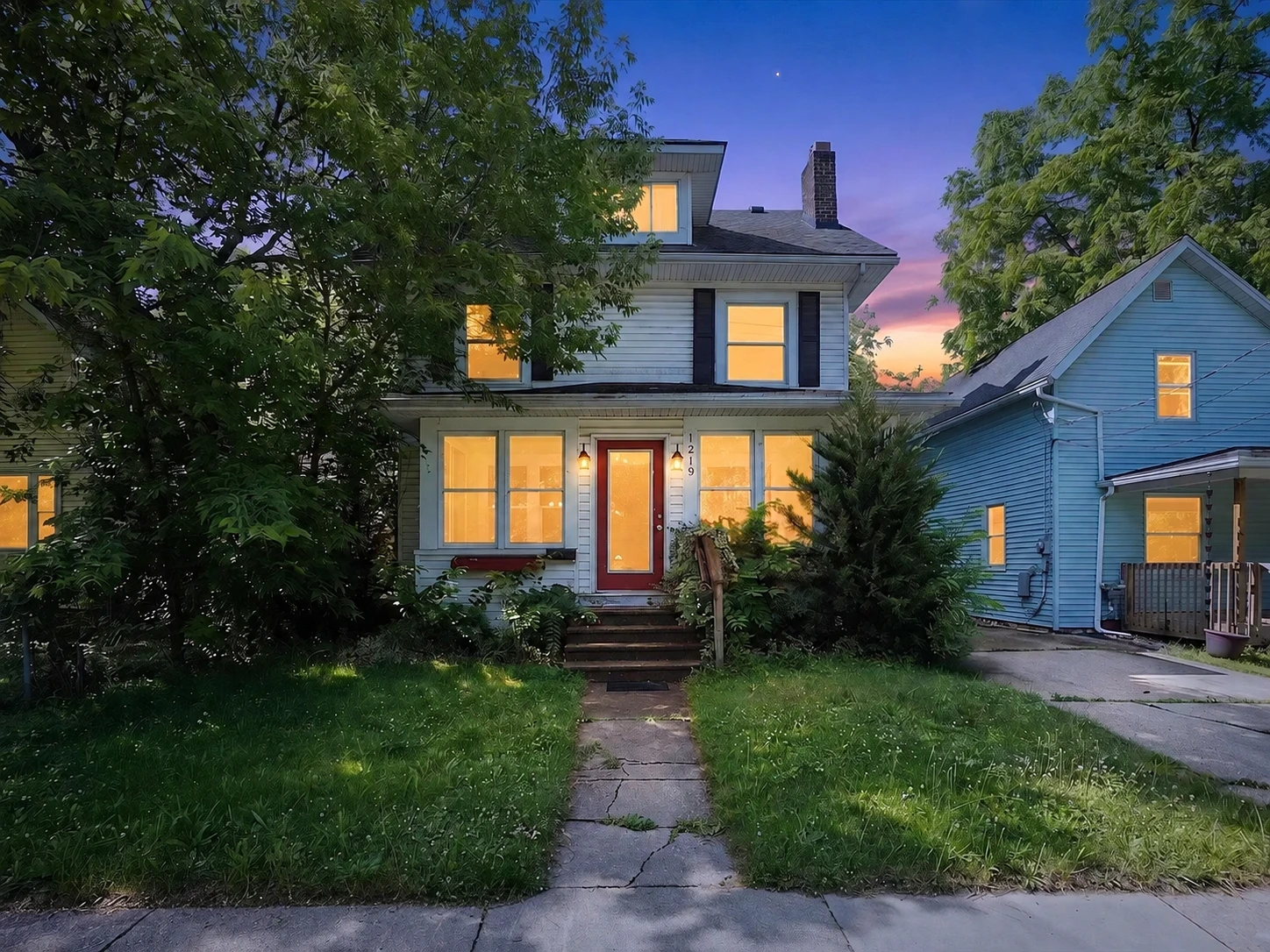
The homeowner found We Buy Lansing online because she was looking for someone who might buy the house directly. The Moores River property was a four-bedroom, three-bath house with approximately 1,688 finished square feet.
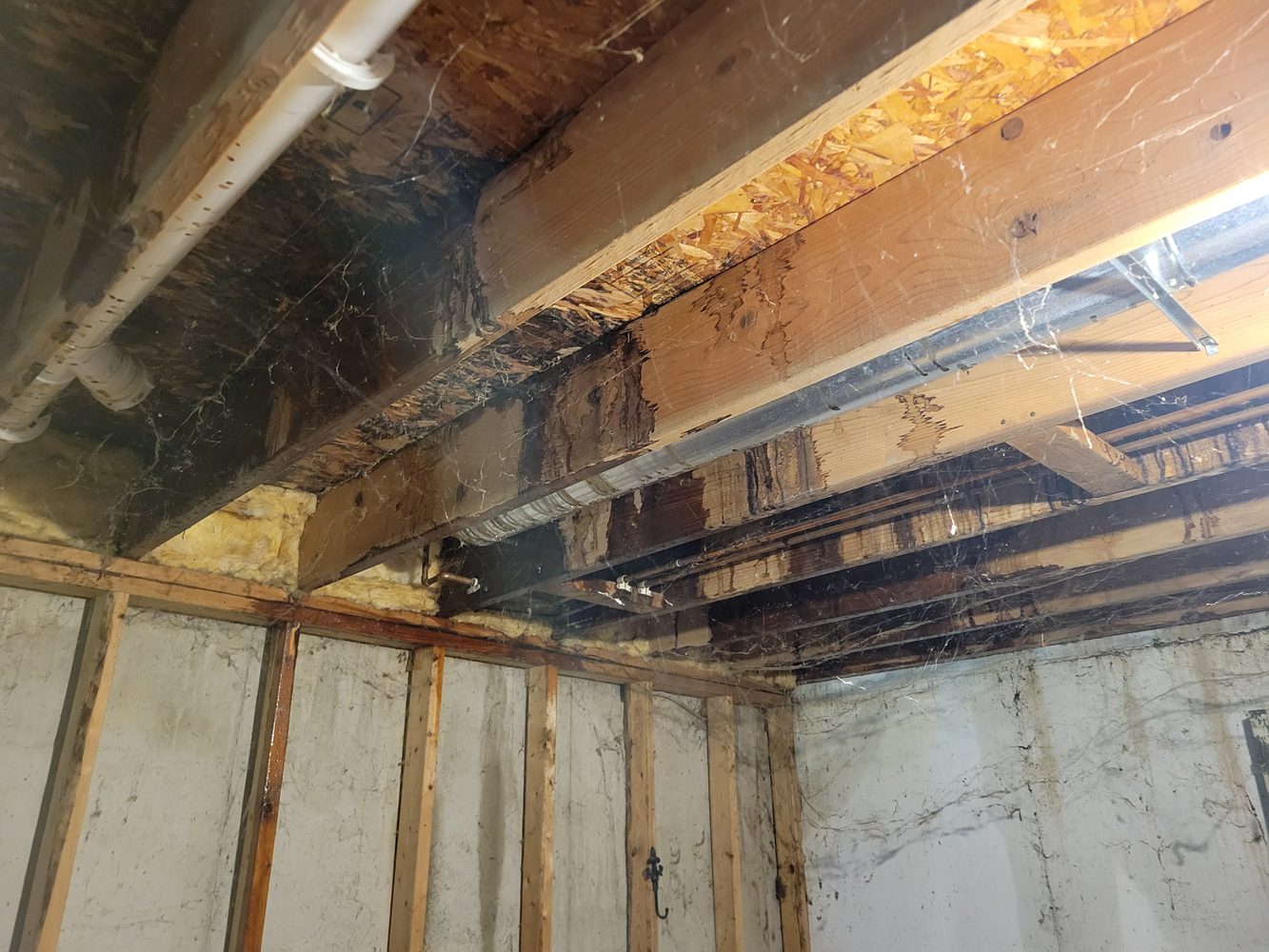
The house had experienced water intrusion associated with deck and roof areas that had limited pitch and likely were not adequately sealed. An insurance claim had been denied. The homeowner had also tried to refinance so she could fund the repairs, but she was not approved.
At the time we spoke, she was current on the mortgage. She also indicated that she did not expect to continue making the payments. The property was not in foreclosure, but the possibility of future delinquency made the decision increasingly time-sensitive.
What we found
The Water Damage Was More Than a Cosmetic Repair
The likely intrusion involved the low-pitch or flat-roof areas beneath the decks. Correcting the problem was not a matter of patching drywall and repainting a stain.
Water damage created the physical repair problem. That repair problem then affected the property's marketability, the owner's ability to fund the work, and the economics of any direct purchase.
The documented scope
What the Repairs Looked Like
The written contractor scope included deck removal and replacement, rafters, roof decking, flat-roof systems, wall framing, siding, drywall, insulation, interior painting, and flooring-related work. The documented estimate totaled $49,106.47.
That estimate gave us an essential starting point. It did not eliminate the possibility of additional work once enclosed materials were opened, so our acquisition analysis used a working repair expectation of approximately $50,000–$60,000.
| Repair reference | Amount |
|---|---|
| Documented contractor estimate | $49,106.47 |
| Working repair allowance used in our analysis | Approximately $50,000–$60,000 |
The contractor's written estimate was $49,106.47. The higher working range reflected additional project uncertainty; it was not the contractor's estimate.
How we evaluated it
First, We Looked at What the House Could Be Worth Repaired
Alex prepared a comparative market analysis for the Moores River property using 12 closed comparable properties. The analysis produced an adjusted average indicated value of approximately $210,483 and an adjusted median indicated value of approximately $209,440. The adjusted indications ranged from approximately $169,620 to $238,320.
Comparable-sales analysis is not a promise of what a future buyer will pay. For the acquisition analysis, we used a narrower working repaired-value range of approximately $190,000–$200,000.
| Valuation reference | Amount |
|---|---|
| Working repaired-value range | $190,000–$200,000 |
| CMA adjusted median | $209,440 |
| CMA adjusted average | $210,483 |
These figures represent estimates based on comparable sales and property analysis, not a guaranteed future sale price.
Why a Normal Cash Purchase Didn't Work
The existing mortgage balance was approximately $125,000. Against a working repaired market value of $190,000–$200,000 and a documented repair scope of roughly $49,000, very little remained before any of the other costs of buying, holding, repairing, and eventually selling the house.
| Property economics | Approximate amount |
|---|---|
| Estimated repaired market value | $190,000–$200,000 |
| Existing mortgage balance | − $125,000 |
| Documented repair scope | − $49,106 |
| Remaining before other costs | ~$15,900–$25,900 |
That remaining amount was not profit. We would still have needed to account for carrying costs, financing and the cost of capital, taxes, insurance, utilities, transaction and resale costs, repair overruns, market risk, and an investor profit.
There simply wasn't enough room for us to pay off the existing mortgage, complete the work, cover the remaining project costs, and make a conventional cash purchase make sense.
The purchase structure we considered
So We Looked at a Different Way to Buy It
We informally discussed a land-contract purchase. Rather than immediately paying off the existing mortgage through a conventional cash closing, the proposed structure was intended to allow us to take responsibility for the ongoing property payments while putting capital into the repairs.
That could have reduced the capital required at the beginning of the project and potentially made the acquisition workable. The potential benefit for the homeowner was not a cash payout or profit sharing. It was possible relief from the ongoing house payments and from personally funding roughly $50,000 in repairs.
If she later stopped making the payments herself, the structure could also have reduced the risk of future delinquency and potential foreclosure or credit damage. Those were possible benefits, not promises. The structure was only discussed informally and was never formalized.
What the owner decided
She Decided the Land Contract Wasn't Right for Her
The homeowner was not comfortable with the proposed land-contract structure, so we never formalized an agreement. We Buy Lansing did not purchase the house.
She ultimately decided to list the property instead. We do not know or claim a final listing price, sale price, or later outcome.
What this property shows
What This Water-Damage Property Shows
This property shows why a house can have substantial repaired value and still be difficult to purchase directly when the mortgage balance and repair costs absorb most of that value.
Our process was not simply “look at the address and send a cash number.” We evaluated the house, reviewed 12 closed comparable sales, reviewed a real contractor scope, considered the mortgage balance, and looked at more than one way we might be able to purchase the property.
In this case, neither purchase structure moved forward. The homeowner chose to list instead. That is still a useful property story.