Short answer
No, You Don't Necessarily Have to Clean Everything Out Before Selling.
A house can be sold with belongings still inside. The important comparison is what you gain by completing the cleanout versus its cost, time, physical work, additional carrying period, repairs discovered along the way, and potential increase in sale proceeds.
Sometimes cleaning first is worthwhile. Sometimes a family spends thousands of dollars and weeks of work preparing a property whose eventual buyer still plans to renovate it. In other cases, transferring the contents, cleanup, repairs, and uncertainty to the buyer is worth more than pursuing every possible dollar of gross sale price.
The cleanout
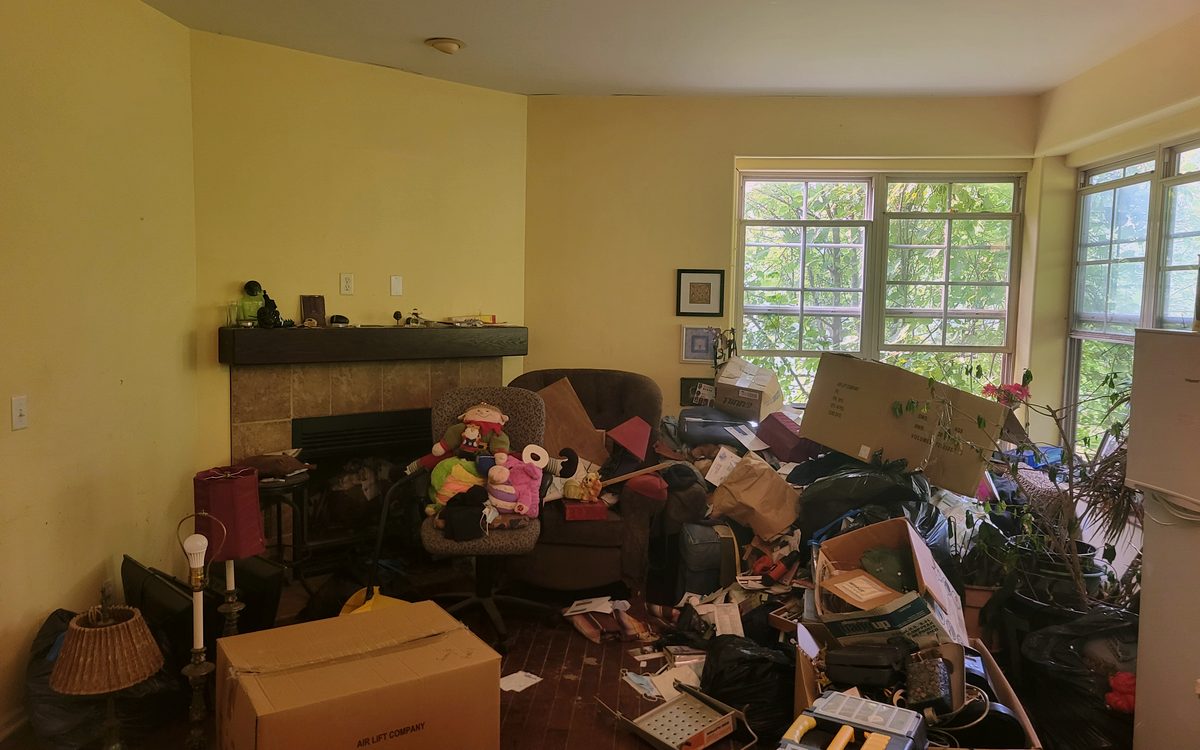
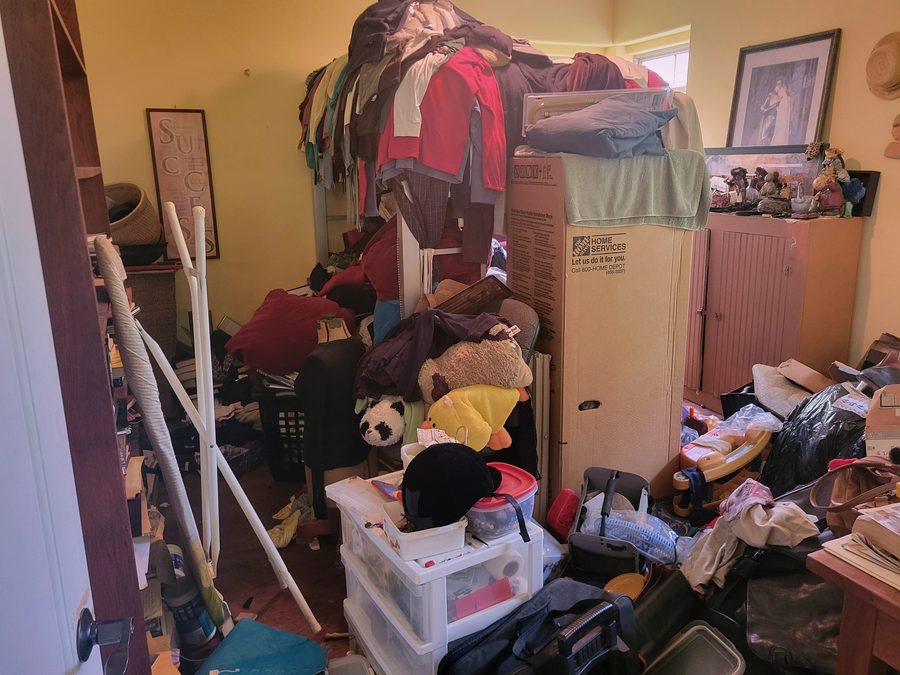
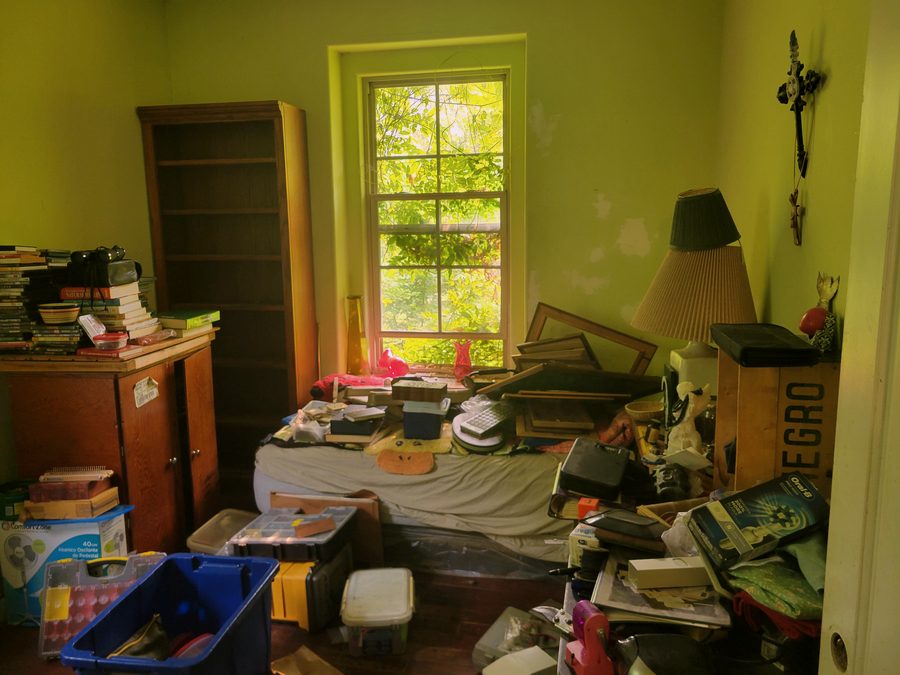
A Full House Is More Than a Few Trips to the Curb.
A substantial cleanout can involve several stages and multiple vendors:
- Sorting personal property and identifying documents, valuables, and family items
- Coordinating donations or an estate sale
- Renting dumpsters or arranging junk removal and hauling
- Moving furniture, appliances, basement contents, and garage contents
- Handling hazardous or restricted materials appropriately
- Cleaning after rooms become accessible
- Evaluating repairs discovered after the contents are removed
The project may require decisions before anything is discarded, physical labor during removal, and another round of work once floors, walls, mechanical systems, and storage areas can finally be seen.
If You Decide to Clean the House Out First
Cleaning first can make sense when the contents can be handled affordably and preparing the property is likely to create a meaningfully stronger sale outcome.
Depending on the house, the work may involve junk removal or hauling, dumpster rental, donation, estate-sale services, cleaning, and contractors or repairs.
This is a category-level planning list, not a vendor directory. We have not added unverified Lansing companies or implied that a particular service is right for every property.
What Could You Gain by Cleaning It Out First?
Removing contents may make the whole property accessible, improve photographs and showings, reveal the actual condition, expand the buyer pool, make repair estimates easier, and reduce uncertainty for buyers.
It may also reveal flooring damage, water damage, pest issues, wall damage, deferred maintenance, plumbing problems, or other repair needs.
Options to compare
There Is More Than One Way to Sell a House Full of Belongings.
Clean Out, Repair, and List
This may make sense when the family has time, available money, help, manageable contents, and meaningful upside from preparing the property.
Clean Out and List As-Is
The family handles the contents but leaves repairs for the eventual buyer. This can improve access and presentation without committing to a renovation.
List With Contents Remaining
This is possible in some situations, but contents can make photography, showings, inspections, and buyer evaluation more difficult.
Sell Directly With Contents Remaining
A direct purchase may make sense when the seller would rather transfer cleanout, disposal, repair discovery, labor, time, and resale responsibility to the buyer. What may remain should be specifically agreed upon; we do not promise that every item can remain at every property.
Compare the work
Don't Look at the Cleanout Cost by Itself.
Prepare + List
- Expected market sale price
- Starting point
- Cleanout
- − cost
- Repairs / preparation
- − cost
- Selling expenses
- − cost
- Carrying costs
- − cost
- Estimated net
- = compare
Direct As-Is Sale
- Direct purchase price
- Starting point
- Agreed seller expenses
- − cost, if any
- Estimated net
- = compare
The difference between those estimated net outcomes is effectively what you are being paid to clean, sort, haul, repair, prepare, show, wait, and manage uncertainty. Sometimes that difference makes doing the work worthwhile. Sometimes it does not.
What We Can't See Still Has to Be Accounted For.
When rooms, floors, walls, basements, garages, mechanical systems, or outbuildings cannot be fully accessed, there is additional uncertainty in evaluating the property.
Contents can conceal water or flooring damage, pests, moisture, structural concerns, and deferred maintenance. We are not pretending unseen repairs do not exist. If we purchase the property, we take responsibility for what is discovered after the agreed contents are removed, and that uncertainty can affect the offer.
No judgment
The House Got Here Somehow. Our Job Is to Deal With What Comes Next.
A house may become difficult to manage after years of collecting, an illness, a death, an aging parent's decline, financial pressure, or simply more belongings than one family can realistically sort through.
We do not need the house cleaned before we evaluate it. We need to understand the property, the situation, and what the seller wants to stop being responsible for.
Sometimes the Cleanout Is Only Part of the Situation.
Heavy contents may overlap with a care transition, deferred repairs, water damage, vacancy, an estate, or another ownership issue. Read about selling with water damage, mortgage foreclosure pressure, or delinquent property taxes. We have included only situation pages that currently exist.