
The property began as a water-damage and repair problem. The homeowner had a denied insurance claim, had been unable to refinance for repair capital, and still had to carry an existing mortgage while the house needed substantial work.
At the initial conversation, the homeowner was current on the mortgage. We are not describing the property as already being in foreclosure. As the situation continued, the owner indicated the monthly payments were becoming unsustainable, increasing the risk of delinquency and future mortgage foreclosure pressure.
This story omits the seller's name, exact address, and identifying details. The relevant evidence is the property, the numbers, and the decisions considered.
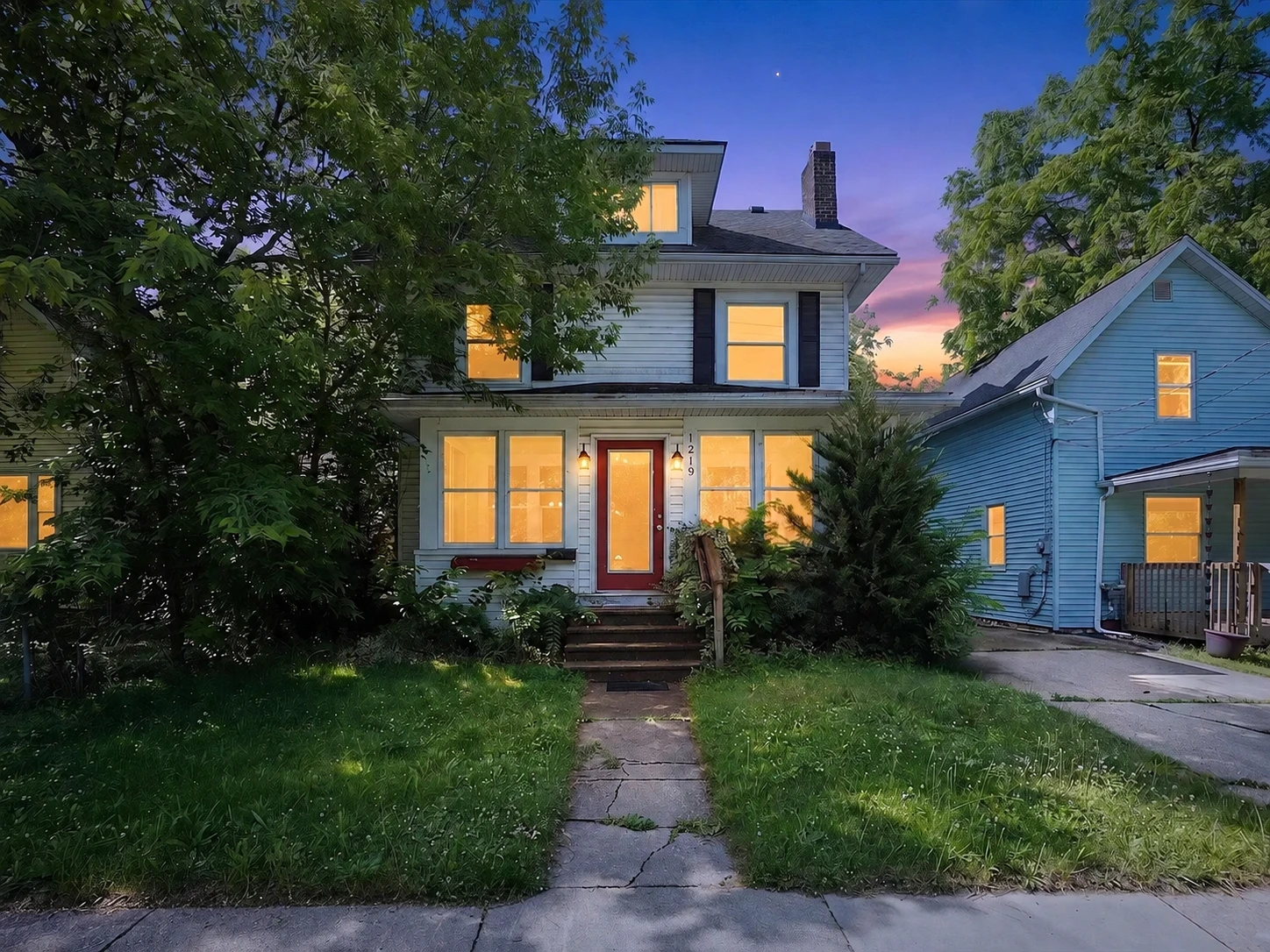
The Property Problem Started With Repairs
Water intrusion associated with deck and low-pitch roof areas created a substantial scope involving deck work, rafters, roof decking and flat-roof systems, framing, siding, insulation, drywall, painting, and flooring-related work.
The insurance claim did not fund the work, and refinancing did not provide repair capital. The owner remained responsible for both the damaged property and its mortgage.
Water damage is the origin of this story, not its primary topic. For repair-specific guidance, see selling a house with water damage in Lansing.
The Mortgage Balance Left Very Little Room
The documented contractor estimate was $49,106.47. Because opening enclosed areas could reveal additional work, the acquisition analysis used a working repair expectation of approximately $50,000–$60,000. The mortgage balance was approximately $125,000, and the working repaired-value range was approximately $190,000–$210,000.
| Property economics | Approximate amount |
|---|---|
| Estimated repaired market value | $190,000–$210,000 |
| Existing mortgage balance | − $125,000 |
| Working repair scope | − $50,000–$60,000 |
| Remaining before other project costs | ~$5,000–$35,000 |
The repair range reflects the documented $49,106.47 estimate plus project uncertainty. The remaining range varies because both repaired value and repair scope were estimates.
That remainder was not investor profit. The project still had carrying costs, financing and capital costs, taxes, insurance, utilities, transaction and resale expenses, possible repair overruns, market risk, and the need for an economically viable return.
Why a Conventional Cash Purchase Did Not Work
There was not enough room to pay off the existing mortgage, complete the repairs, absorb the remaining project costs and risk, and make a conventional direct cash purchase economically viable.
This was not a question of blaming the seller or characterizing an offer as low. The repaired value, mortgage payoff, repair scope, and remaining costs did not leave a workable acquisition margin.
Listing Was the First Path
Because a conventional direct purchase did not make sense initially, the homeowner chose to test the open market. Sometimes listing deserves priority, especially when broader buyer exposure may produce a better result than the numbers available to a direct investor.
We are not representing that We Buy Lansing served as the listing brokerage. The relevant fact is that listing was the owner's chosen first path.
Then the Mortgage Became Part of the Problem
As the property remained unresolved, the homeowner indicated that continuing the mortgage payments was becoming unsustainable and that she did not expect to keep making them.
The question changed from “How do we solve the repairs?” to “How do we solve the house before the mortgage problem gets worse?” A repair problem can become a cash-flow problem, then a delinquency risk, and eventually mortgage foreclosure pressure. We are not claiming a completed foreclosure or a specific legal stage.
If you're behind on payments or worried about a sheriff's sale, read our guide to selling a Lansing house before mortgage foreclosure.
We Looked at More Than One Possible Path
The property-specific discussion included continuing or adjusting the listing path, reconsidering a direct purchase if the economics changed, discussing a possible short sale with appropriate lender involvement if proceeds could not satisfy the mortgage, and considering a structured land-contract purchase.
These were not generic recommendations. They were possible paths considered around this property's mortgage balance, condition, repair scope, and changing payment pressure.
A Land Contract Structure Was Discussed
Rather than immediately paying off the entire mortgage through a conventional acquisition, We Buy Lansing informally discussed a land-contract structure. The concept was intended to reduce the acquisition capital required at the beginning while allowing WBL to take responsibility for the property and payment economics and put capital into repairs.
Possible benefits to the homeowner included relief from the monthly payment burden, avoiding the need to fund the repairs personally, and reducing the risk that continued payment pressure would worsen. Those were possible benefits of a proposed structure—not outcomes.
The proposal was never formalized. It was not a mortgage assumption, subject-to purchase, or novation, and we do not claim that foreclosure was stopped, credit was protected, payments were taken over, or a land contract closed.
The Homeowner Chose Another Path
The homeowner was not comfortable proceeding with the land-contract concept, so it was never formalized. We Buy Lansing did not purchase the house through that structure.
She chose to continue with the listing path. We do not characterize that as a failure or claim a later listing price, sale price, or final property outcome.
What This Mortgage-Pressure Property Shows
A house can have meaningful repaired value and still be difficult to purchase when mortgage balance, repairs, carrying costs, time, and property risk consume most of that value.
It also shows how foreclosure pressure can develop from a property problem that originally had nothing to do with foreclosure. We evaluated the property, reviewed the economics, considered more than one purchase structure, and did not force a transaction when the homeowner was not comfortable with the available path.